

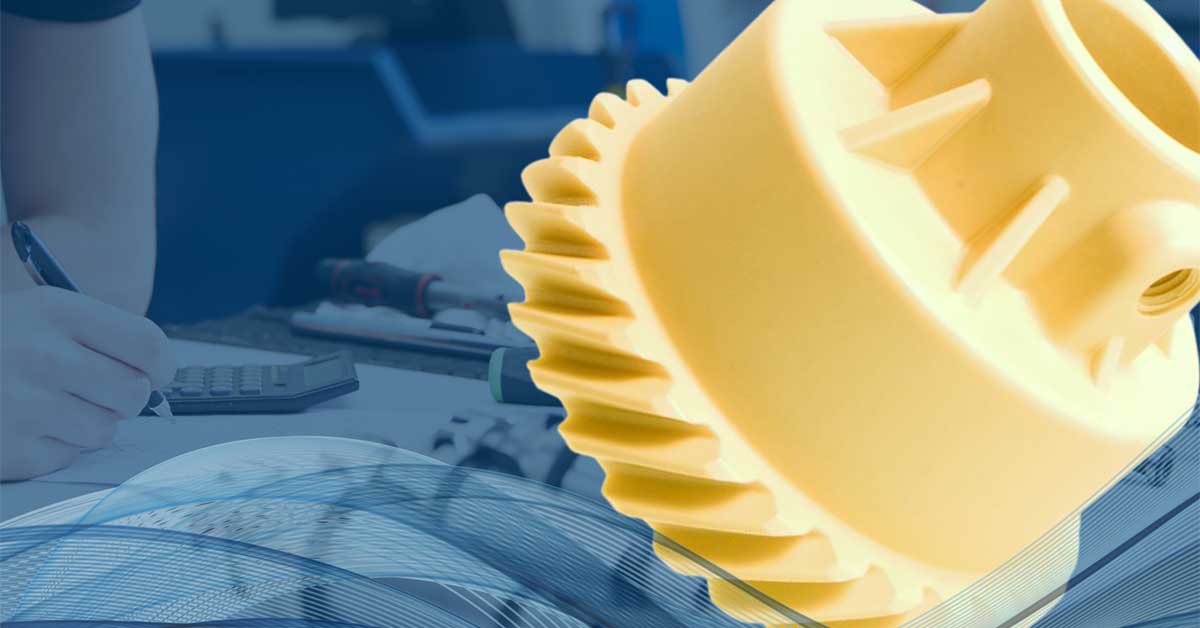
The plastics industry is accelerating the transition towards PTFE-free self-lubricating compounds, driven by both new environmental regulations and the need to improve tribological performance without resorting to fluorinated polymers. Modern formulations offer reduced environmental impact, high operator safety, and high-level mechanical performance, even in the most critical conditions.
Sustainable Alternatives: UHMWPE and Metal Sulfides
Traditionally, PTFE has been the reference polymer for reducing friction and wear in technoplastic materials. However, its use is increasingly limited due to issues related to disposal, the presence of halogens, and risks to health and the environment.
The new generations of self-lubricating compounds utilize additives such as:
- UHMWPE (Ultra-High Molecular Weight Polyethylene): a technical polyolefin with a low coefficient of friction, excellent wear resistance, and compatibility with various matrices (PA6, PA66, PA12, PBT, PPS, polyester, and amorphous resins).
- Ceramic metal sulfides: used in LU2 formulations, they allow for the reduction of friction and wear without the addition of PTFE, silicone, or carbon, offering greater reliability and no emission of hazardous particulates.
Compatibility and Applications
The new PTFE-free solutions can be used for the production of components in:
- Gears and bearings
- Devices for the electrical sector
- Automotive components
- 3D printing (FDM)
Self-lubricating Compound for 3d Printing
The LATI3Dlab department has developed compounds for FDM 3D printing suitable for advanced applications. Self-lubricating filaments based on PLA, ABS, PA, PC, and PETG are available, loaded with low-friction additives such as aramid fiber and, only in some versions, PTFE.
| Polymer base | Lubricating additives | PTFE free | Application |
| PA, PBT, PPS, PLA | UHMWPE, metal sulfides | ✔️ | Bearings, gears, functional parts |
| PC, PETG | Metal sulfides, aramid fiber | ✔️ | FDM 3D printing |
Advantages of PTFE-free Self-Lubricating Compounds
| Characteristic | PTFE-free solutions | Solutions with PTFE |
| Eco-compatibility | ✔️ | ✖️ |
| RoHS/REACH compliance | ✔️ | Often limited |
| Ease of disposal | ✔️ | Problematic |
| Health/environmental safety | ✔️ | Possible risks |
| Tribological performance | High | Very high |
| Suitability for electrical applications | Excellent | Limited (particulate migration) |
How to Choose the Right Self-Lubricating Compound
Choosing a PTFE-free self-lubricating compound means prioritizing:
- Environmental sustainability (absence of halogens and fluoropolymers)
- Wear resistance even in the absence of external lubricants
- Compatibility with molding and 3D printing processes
- Reliability in electrical and electronic applications (absence of conductive particulate migration)
FAQ: PTFE-free Self-Lubricating Compound
1. What are the advantages of a PTFE-free self-lubricating compound?
It reduces environmental impact, avoids the presence of halogenated substances, and offers good tribological and wear performance.
2. Which additives replace PTFE?
UHMWPE, ceramic metal sulfides, and other eco-friendly technical fillers.
3. Where are these materials used?
Automotive components, gears, bearings, parts for electrical and electronic devices, 3D printing.
Conclusion
The new PTFE-free self-lubricating compound solutions represent a step forward for those seeking tribological efficiency, safety, and compliance with environmental regulations.
Want to explore the choice of the most suitable formula for your applications?
Contact LATI specialists now or visit www.lati.com to receive tailored technical advice.
 Accessibility Statement