

The Evolution of Materials in the Furniture Sector
In the world of design and furniture component production, the combination of mechanical functionality and aesthetic value is now an essential requirement.
The structural aesthetic technopolymers for furniture represent the technological answer to this need, offering high mechanical performance, premium surface quality and extensive design freedom compared to traditional metals.
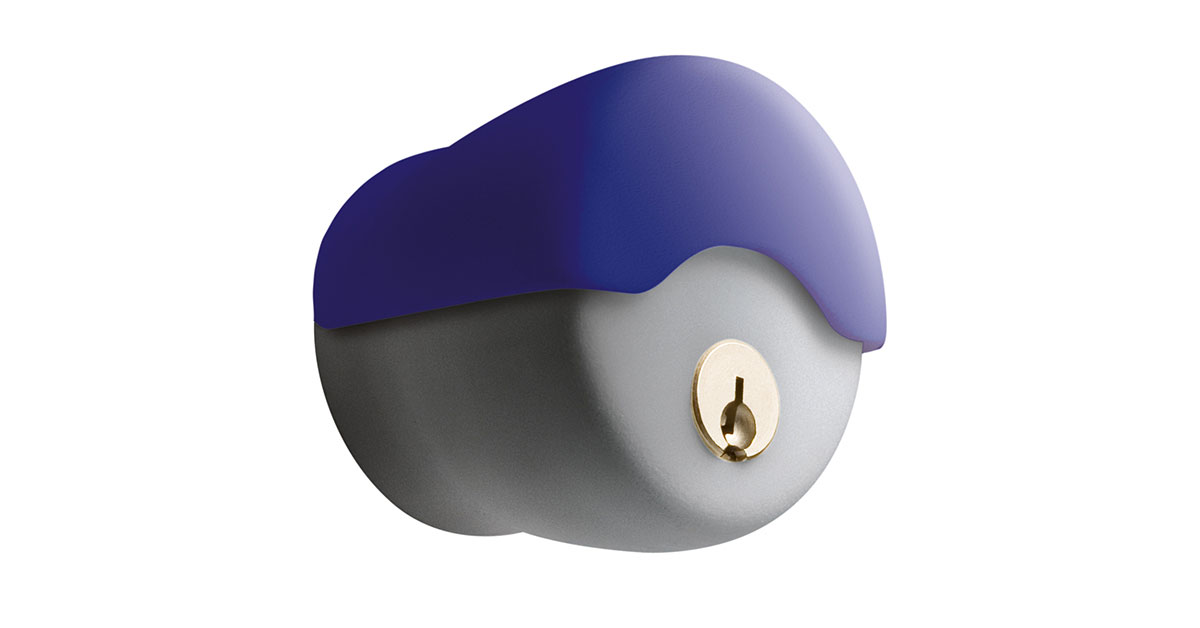
An emblematic example of this innovation is the “Combina” project by Serrature Meroni, developed in collaboration with LATI, which has combined industrial design and advanced technopolymers in creating a modern, durable, and refined knob.
From Metal to Structural Technopolymers: the Combina Case
Founded over 60 years ago, Serrature Meroni is a reference point in the production of mechanical and electronic locks for furniture, doors, and special applications.
The famous PremiApri, launched in 1973, remains an icon of Italian design.
Today, with the Combina model, the company renews this concept using high-performance thermoplastic materials to ensure strength, durability, and aesthetics.
The project was developed with technical support from LATI, which provided two innovative reinforced thermoplastic compounds:
- LATIGLOSS, a nylon 66 with glass fiber for high aesthetic content;
- KELON, a nylon 6 modified with ceramic microspheres for high-gloss surfaces.
LATIGLOSS: Brilliant Aesthetics and Mechanical Strength
LATIGLOSS is a structural thermoplastic compound designed for applications requiring rigidity, dimensional stability, and high-quality surface finish.
Based on PA66 and reinforced with 50% glass fiber, it was specifically developed for the furniture and industrial design sector.
Properties | LATIGLOSS 66 H2 G/50 | Die-cast Zamak |
Density | 1.55 g/cm³ | 6.5 g/cm³ |
Elastic modulus | >12,000 MPa | 14,000 MPa |
Operating temperature | 120°C | 150°C |
Surface appearance | Uniform gloss | Glossy |
Relative weight | ~1/4 compared to metal | — |
The main advantage of LATIGLOSS compared to common structural resins lies in its homogeneous and brilliant surface, achieved without extending molding cycles.
The glass fibers are distributed in a controlled manner, avoiding typical streaks or opacity that compromise the aesthetics of many structural compounds.
Furthermore, the material ensures mechanical performance comparable to light metals, making it ideal for load-bearing bodies, handles, and furniture components subject to mechanical stress.
KELON: High-Gloss Ceramic Technopolymer
KELON (acronym for Keramic + Nylon) is a PA6-based technical polymer reinforced with ceramic microspheres and thermally stabilized.
This material combines rigidity, impact resistance, and high-gloss finish, making it perfect for aesthetic components subject to functional stress.
Among its main characteristics:
- High resistance to scratches and impacts, thanks to the reinforcing effect of ceramic spheres;
- Uniform and glossy surface, comparable to a lacquered finish;
- Excellent dimensional stability even with thermal variations;
- Compatibility with painting and surface aesthetic treatments.
In the “Combina” project, the large upper button, the mobile and visible part of the knob, was made with KELON, leveraging the combination of refined design and mechanical solidity.
Furniture and Design: the Advantages of Structural Aesthetic Technopolymers
The use of structural and aesthetic technopolymers in the furniture sector offers significant technical and economic advantages compared to traditional metallic materials:
Characteristic | Structural technopolymers | Traditional metals |
Weight | Reduced up to 70% | High |
Processing | Injection molding | Mechanical processing |
Aesthetic appearance | Glossy, customizable | Limited to surface treatments |
Production cost | Low | Medium-high |
Corrosion resistance | Excellent | Limited |
Recyclability | High | High |
Thanks to these properties, technopolymers like LATIGLOSS and KELON are used in:
- knobs, handles, and design components;
- locking systems and internal mechanisms;
- furniture and door accessories;
- decorative and functional elements for residential or contract interiors.
Combina Project Applications
The “Combina” knob is available in various configurations, ideal for:
- passage areas and offices,
- classrooms and school environments,
- hotel rooms,
- entrances and public spaces.
The combination of structural aesthetic technopolymers with modular design allows maintaining metal performance while reducing weight and improving the environmental impact of production.
Conclusions and Invitation to Learn More
The use of structural and aesthetic technopolymers for furniture like LATIGLOSS and KELON represents a step forward in designing products that combine design, ergonomics, and technical performance.
Thanks to their versatility, these materials can effectively replace metals in premium applications while maintaining high aesthetic and functional value.
📘 Want to explore the potential of technopolymers for furniture and industrial design applications?
Discover how material selection can improve aesthetics, sustainability, and mechanical performance in your projects. Contact us here.
FAQ
- What are structural aesthetic technopolymers for furniture?
They are reinforced thermoplastic materials that combine mechanical rigidity and surface quality, ideal for design furniture elements. - What advantages do they offer compared to metals?
Lower weight, greater design freedom, reduced production costs, and excellent corrosion resistance. - In which applications can they be used?
Knobs, handles, decorative elements, locking mechanisms, and accessories for furniture and doors.
 Accessibility Statement