

Safety for Water Intended for Consumption through Major International Certifications
LATI offers certified materials for suitability in drinking water transport, ensuring safety for contact with water intended for human consumption. The international certifications NSF Std. 61, ACS, WRAS, DVGW (which includes EN 16421, formerly W270, and KTW) guarantee quality and compliance with the strict sanitary requirements imposed on hydraulic applications, for both cold and hot water.
- NSF Std. 61: NSF Std. 61: This standard focuses on the certification of materials and components used in drinking water supply systems in the United States of America. The objective is to ensure the absence of contamination of drinking water with hazardous or unwanted substances.
- ACS (Attestation de conformité sanitaire): ACS certification is a French regulation that ensures materials in contact with drinking water comply with sanitary standards. Certification is required for all components that will come into contact with water intended for human consumption in France.
- WRAS (Water Regulations Advisory Scheme): WRAS certification is recognized in the United Kingdom and guarantees that materials and products do not compromise the quality of drinking water. Tests also include rigorous organoleptic tests at temperature.
- EN 16421 (formerly W270): This standard refers to materials intended for drinking water transport in Germany. EN 16421 certification (previously known as W270) evaluates microbial growth on plastic materials with a test lasting over three months.
- KTW (Kunststoffe im Trinkwasser): KTW certification obtained on articles intended for drinking water transport completes the evaluation for placing safe products on the German market at operating temperature.
Pending European-level harmonization (DWD, Drinking Water Directive), each of these certifications is essential for placing finished products compliant with applications in direct contact with drinking water on the respective national market, such as pipes, fittings, valves, filters, connectors, floats and other components. LATI, with its experience, is able to support customers in selecting and potentially developing the most suitable formulation for the target market.
Q&A
NSF 61 certification requires a preliminary toxicological evaluation of the formulation by the US NSF agency, a rigorous migration test and annual facility surveillance with unannounced audits.
NSF Std. 61 certification guarantees that materials do not release hazardous chemicals into drinking water, ensuring the healthiness and safety of water for human consumption.
ACS certification is mandatory in France for all products used in contact with drinking water. It ensures that materials comply with sanitary standards and do not contain substances that could compromise water quality.
WRAS certification is recognized in the United Kingdom and certifies that materials used in drinking water transport do not compromise water quality, either chemically or organoleptically.
Both are the basis for obtaining certification from DVGW, Deutscher Verein des Gas- und Wasserfaches, essential for placing a component for drinking water transport on the German market. KTW is obtained by passing rigorous migration tests on the finished article while EN 16421 (previously known as W270) is a microbial growth test that can be obtained on the material.
List of LATI Materials Certified for Drinking Water Transport
| MATERIALS | NSF Std. 61 | ACS | WRAS | W270-EN 16421 |
|---|---|---|---|---|
| LATAMID 66 H2 G/30 NAT. F:0003 | – | – | – | YES |
| LATAMID 66 H2 G/30 BLACK F:3352 | – | – | 65°C | YES |
| LATIGLOSS 66 H2 G/50 NAT.:0003F2 | Cold/hot water | YES | 85°C | YES |
| LATIGLOSS 66 H2 G/50 BLACK:3352F2 | Cold/hot water | YES | 85°C | YES |
| LATIGLOSS 57 G/40 NAT.:0138F2 (a) | Cold/hot water | – | – | – |
| LATIGLOSS 57 G/40 BLACK:3302F2 (a) | Cold/hot water | – | – | – |
| LATIGLOSS 57 G/50 NAT.:0138F2 (a) | Cold/hot water | – | – | – |
| LATIGLOSS 57 G/50 BLACK:3302F2 (a) | Cold/hot water | – | – | – |
| LATIGLOSS 57 G/60 NAT.:0138F2 (a) | Cold/hot water | – | – | – |
| LATIGLOSS 57 G/60 BLACK:3302F2 (a) | Cold/hot water | – | – | – |
| LATENE AG30H G/30 NAT. F:0023 | – | YES | 23°C | YES |
| LATENE AG7H G/30 BLACK F:3352 | – | YES | 23°C | YES |
| LARTON G/40 NAT.:0169F1 | Cold/hot water | – | 85°C | – |
| LARTON G/40 BLACK:3355F1 | Cold/hot water | – | – | – |
| LATILUB 75/4-20T NT:0080F2 | – | – | 85°C | – |
| (a) The certification covers all LATIGLOSS 57 G/** NAT.:0138F2 and LATIGLOSS 57 G/** BLACK:3302F2 where ** represents a glass fiber content varying between 40 and 60%. These products are available upon request. | ||||
Select the Certification You are Interested in from the Filters and Browse LATI Certified Materials
Materials for Drinking Water Transport: News, Cases and Insights
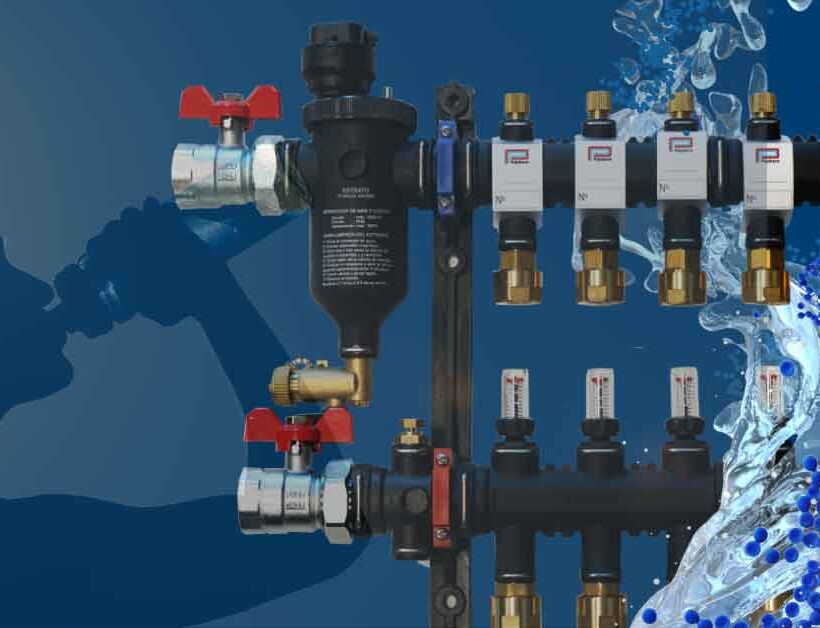
Lead-free Brass and Structural Compounds: Innovative Materials for a Safer Future
European regulations and growing public health concerns are accelerating the elimination of leaded brass, driving the industry toward alternative and innovative materials such as ecological alloys and structural thermoplastic compounds.

ODE Technopolymer Solenoid Valves for Vending&OCS
ODE | Solenoid Valves chose LATI’s LARTON G/40, a PPS-based compound with glass fiber, to reduce lead in brass products.
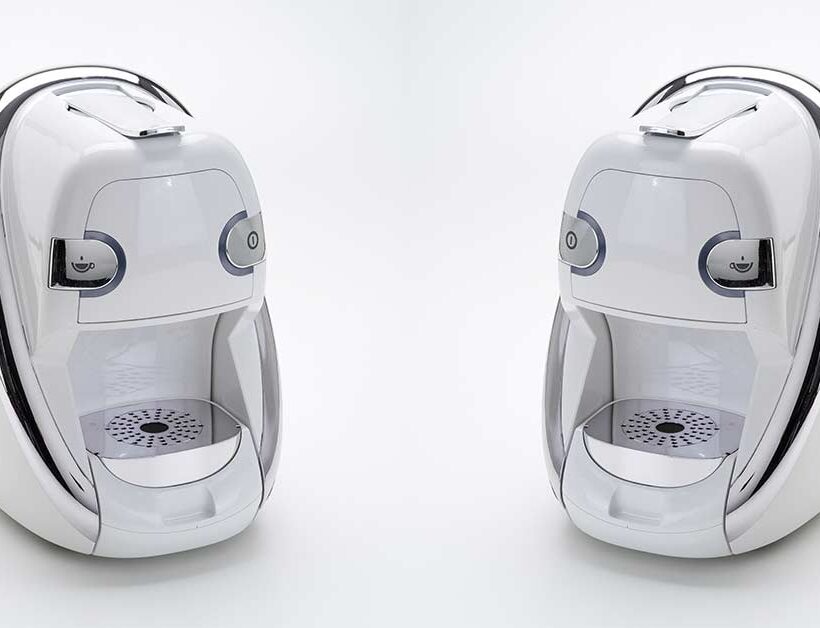
Compounds for Food Coffee Machine Components: Performance and Safety with Technopolymers
Plastics have long been established in coffee machine manufacturing, both in domestic devices and professional ones, including vending for hotels, restaurants, and catering.
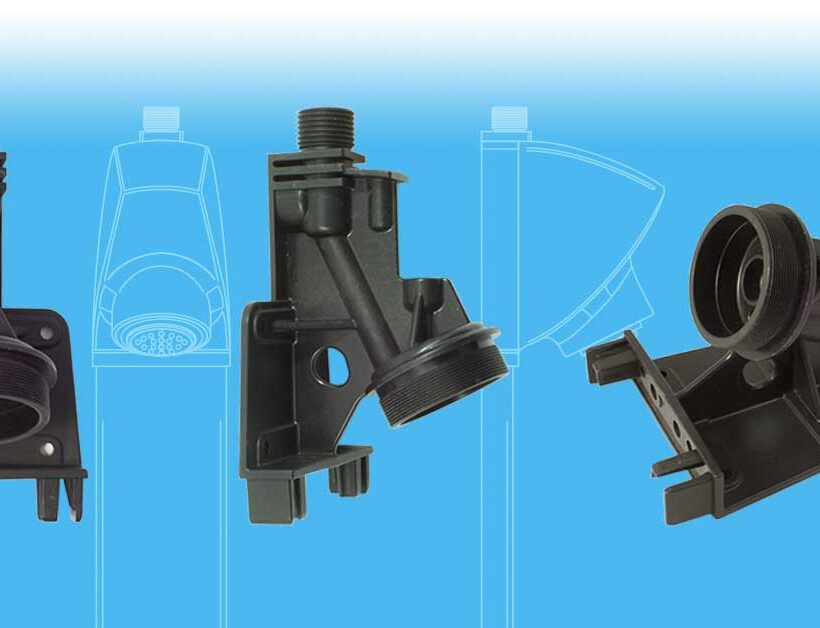
Certified Drinking Water Compound: High-Performance Technopolymers for Safe Water Systems
The process of replacing metal with polymers is now well-established in the drinking water transport sector as well.
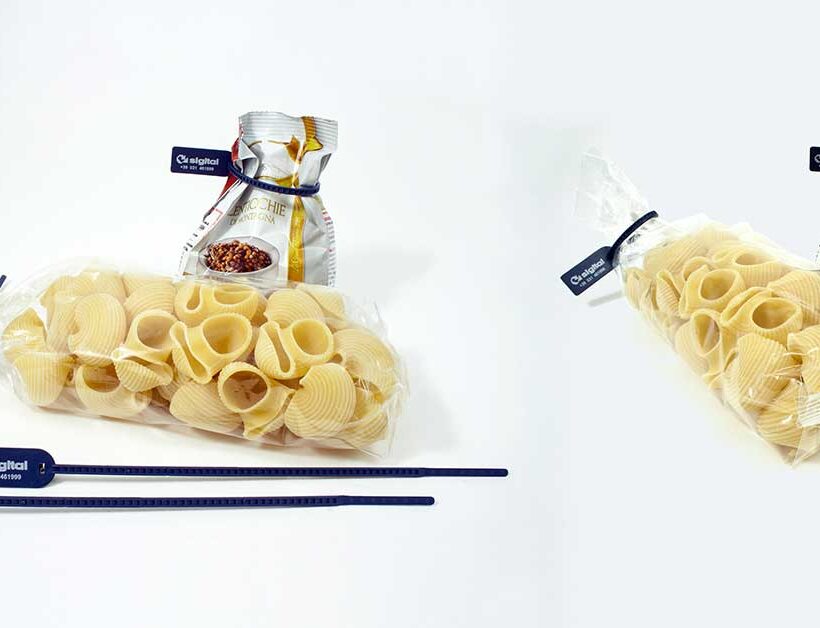
Metal detector and X-ray detectable compound: total safety and control
LATI’s experience in metal detector detectability stems from intensive fine-tuning activities for compounds with pronounced paramagnetic and ferromagnetic behavior.
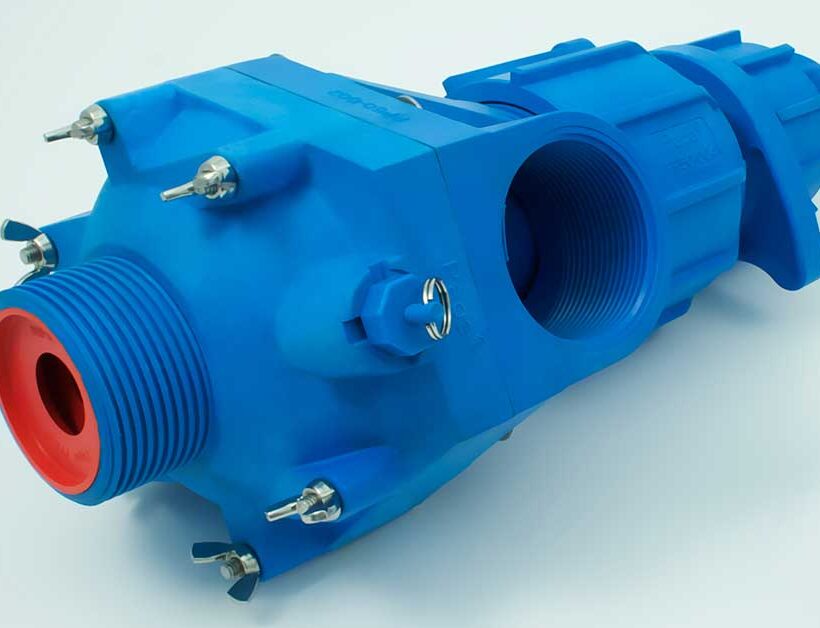
Thermoplastic Compound for Hydraulic Pumps: Lightness, Strength, and Sustainability for Sector Innovation
Moving water of all types, wherever needed and in any quantity but without using electrical power.